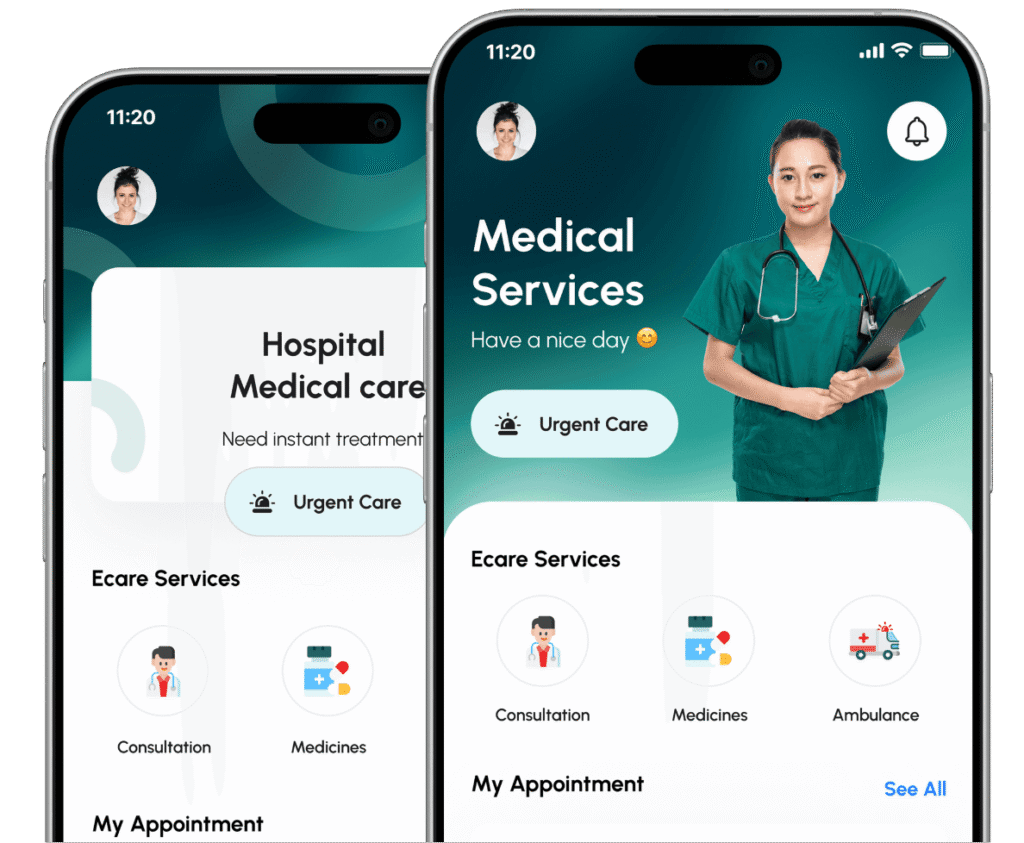


Telemedicine has become an important part of modern healthcare delivery. Many clinics and healthcare organizations are using virtual care not only to improve patient access but also to strengthen their financial performance. When implemented properly, telemedicine can support medical practice growth, improve revenue cycle management, and enhance overall patient experience.
Below is a detailed explanation of each reason telemedicine can help increase revenue in a medical practice.
1. Expanding Patient Reach Beyond Local Areas
Traditional healthcare services usually depend on patients visiting a clinic physically. This naturally limits your practice to a specific geographic area. Telemedicine removes this barrier by allowing healthcare providers to connect with patients through secure online platforms.
With virtual healthcare services, patients from nearby towns, rural areas, and even busy urban locations can easily book appointments. Many individuals struggle to visit clinics due to travel distance, mobility issues, or time constraints. Telehealth consultations provide them with a convenient alternative.
For medical practices, this means:
- Access to a larger patient population
- Increased appointment bookings
- Growth in new patient registrations
From a revenue perspective, more patient volume leads to more billable visits, better utilization of provider time, and stronger long-term patient relationships. This expansion of reach also improves digital healthcare access and supports practices that want to scale without opening new locations.
Relevant semantic keywords:
virtual care platforms, telehealth services, remote patient consultations, online medical appointments, digital healthcare solutions.
2. Reducing No-Show Rates
Missed appointments are one of the biggest financial losses in healthcare practices. When a patient does not show up, the scheduled time slot goes unused, and the provider loses a potential revenue opportunity.
Telemedicine helps solve this problem by making appointments easier to attend. Patients do not need to commute, wait in traffic, or take extended time off from work. Instead, they can join a consultation from their phone, tablet, or computer.
Because of this convenience, practices often experience:
- Fewer cancellations
- Lower no-show percentages
- More predictable daily schedules
Telehealth systems often include appointment reminders, automated notifications, and quick check-in processes, which further improve attendance rates. When appointment slots are consistently filled, clinics generate more revenue and improve operational stability.
Relevant semantic keywords:
patient engagement tools, telehealth scheduling systems, automated appointment reminders, virtual patient check-in, healthcare workflow management.
3. Increasing Appointment Capacity Per Day
Another important financial benefit of telemedicine is the ability to manage more patient visits in a shorter amount of time. In traditional clinics, providers spend time preparing rooms, managing patient flow, and handling in-person administrative steps.
Telemedicine reduces these delays because:
- Patients join directly through the telehealth platform
- Digital forms are completed in advance
- Documentation can be automated through integrated systems
Routine follow-ups, medication reviews, and minor consultations can often be handled efficiently through virtual visits. This increases clinical productivity and allows providers to see more patients throughout the day.
For example, a physician who typically sees 20 in-person patients daily may be able to handle additional telehealth consultations without extending working hours.
Relevant semantic keywords:
clinical efficiency, healthcare productivity improvement, digital patient intake, telehealth workflow optimization, medical practice efficiency.
4. Lower Operational Costs
Operating a physical medical facility involves many expenses. These include utilities, reception staff, waiting room space, facility maintenance, and equipment management.
Telemedicine reduces reliance on physical infrastructure. While it does not completely replace in-person care, it helps shift certain services online, lowering overall operating costs.
This can lead to:
- Reduced administrative workload
- Less demand for office space
- Lower facility maintenance costs
When operational expenses decrease while patient volume remains steady or increases, the practice benefits from improved profit margins. Many healthcare providers view telemedicine as part of a broader healthcare cost reduction strategy.
Relevant semantic keywords:
medical practice management, operational efficiency in healthcare, healthcare cost management, digital healthcare operations, clinic resource optimization.
5. Better Chronic Care Management Programs
Patients with long-term conditions require frequent monitoring and follow-up visits. Managing chronic illnesses such as diabetes, hypertension, and anxiety disorders can be challenging if patients cannot visit the clinic regularly.
Telemedicine allows providers to maintain consistent communication with patients through virtual check-ins and remote monitoring tools. These tools can track health metrics such as blood pressure, glucose levels, and medication adherence.
For medical practices, this creates opportunities to:
- Offer ongoing care programs
- Improve patient outcomes
- Increase recurring consultation revenue
Effective chronic care management services also strengthen patient relationships and encourage continuous engagement with the practice.
Relevant semantic keywords:
remote patient monitoring, chronic disease management, digital health tracking, long-term care coordination, telehealth follow-up visits.
6. Faster Insurance Reimbursements
Insurance companies and healthcare payers have increasingly recognized telemedicine services as legitimate medical consultations. When practices use proper medical billing and coding procedures, telehealth visits can be reimbursed efficiently.
Telemedicine works well when integrated with:
- revenue cycle management (RCM)
- electronic health records
- insurance claims processing systems
- telehealth billing guidelines
Accurate documentation and proper claim submission help practices receive timely reimbursements. Additionally, telemedicine visits often require less administrative handling compared to complex in-person procedures.
This efficiency strengthens the financial health of a practice and ensures steady cash flow.
Relevant semantic keywords:
telehealth billing, insurance claim submission, healthcare reimbursement process, medical billing services, healthcare revenue management.
7. Offering Specialized Virtual Services
Telemedicine allows healthcare providers to expand their service offerings without investing heavily in new clinic branches or infrastructure.
Many practices now offer specialized virtual care such as:
- mental health consultations
- dermatology assessments
- nutrition counseling
- follow-up evaluations after treatment
These services attract different patient segments and open additional revenue channels. For example, telepsychiatry services and virtual therapy sessions have grown significantly due to increasing demand for mental health support.
By diversifying services, medical practices create multiple income streams while maintaining operational efficiency.
Relevant semantic keywords:
virtual specialist consultations, telepsychiatry programs, online therapy services, digital healthcare expansion, remote specialty care.
8. Improved Patient Retention
Patient retention plays a major role in long-term revenue growth. It is often more cost-effective to retain existing patients than to acquire new ones.
Telemedicine improves retention because it offers flexibility and convenience. Patients who find it easy to schedule and attend appointments are more likely to continue using the same healthcare provider.
This leads to:
- More repeat visits
- Stronger trust in the provider
- Increased referrals from satisfied patients
A positive digital healthcare experience helps practices build long-term relationships with patients, which ultimately improves financial stability.
Relevant semantic keywords:
patient loyalty strategies, healthcare accessibility, patient satisfaction improvement, digital patient experience, long-term patient engagement.
9. Enhanced Preventive Care Opportunities
Preventive healthcare is essential for reducing long-term health risks. However, many patients delay routine checkups because of busy schedules or travel difficulties.
Telemedicine makes preventive care more accessible by offering virtual consultations for early health concerns, wellness discussions, and follow-up advice.
Practices can use telehealth to:
- Conduct initial health evaluations
- Provide lifestyle counseling
- Monitor early symptoms
- Encourage regular checkups
This approach not only improves patient health outcomes but also increases the number of structured healthcare interactions throughout the year.
Relevant semantic keywords:
preventive healthcare services, virtual wellness consultations, early diagnosis support, digital health screenings, telehealth preventive care.
10. Competitive Advantage in the Healthcare Market
Healthcare is evolving rapidly, and patients increasingly expect convenient digital options. Practices that adopt telemedicine earlier often gain an advantage over competitors who rely only on traditional methods.
Telemedicine strengthens your practice by:
- Modernizing healthcare delivery
- Improving your online presence
- Attracting tech-friendly patients
- Enhancing brand credibility
In competitive healthcare markets, offering telehealth services can position your practice as innovative and patient-focused. Over time, this can significantly contribute to practice growth and higher revenue potential.
Relevant semantic keywords:
digital transformation in healthcare, healthcare technology adoption, telehealth innovation, modern healthcare solutions, online medical services.